Space Desk
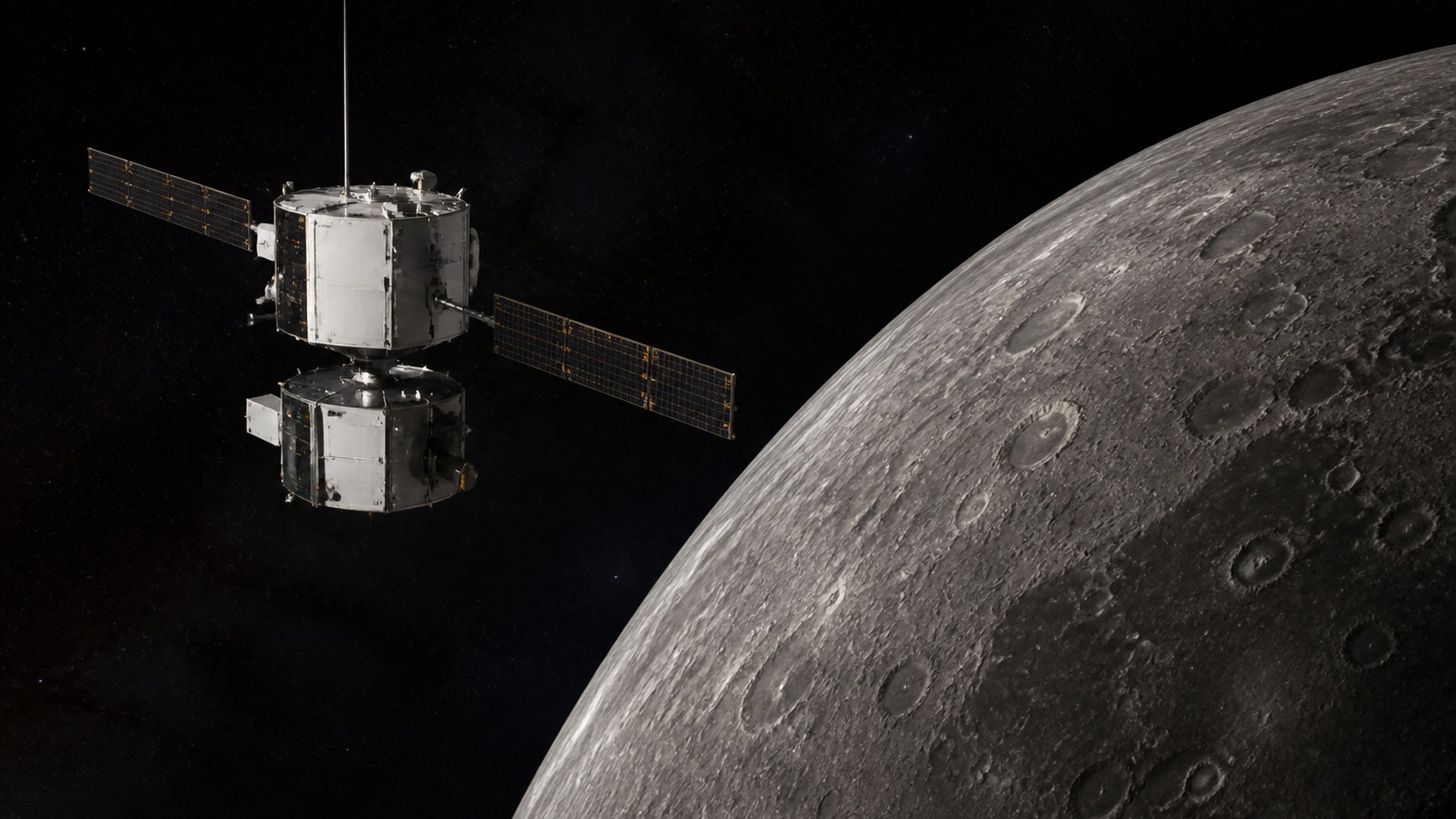
BepiColombo splits on Thursday
Space
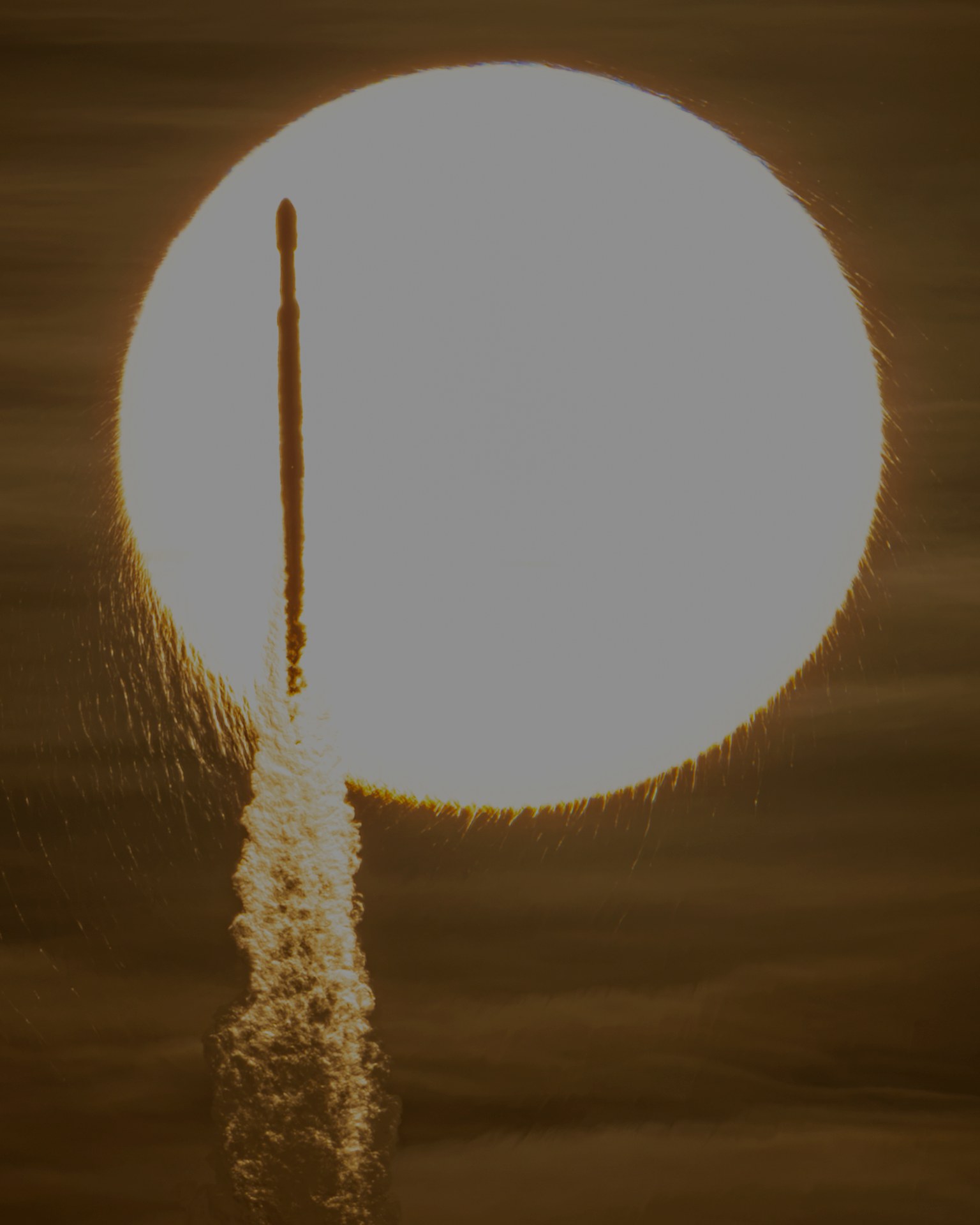
Roman left 39A at 7:26
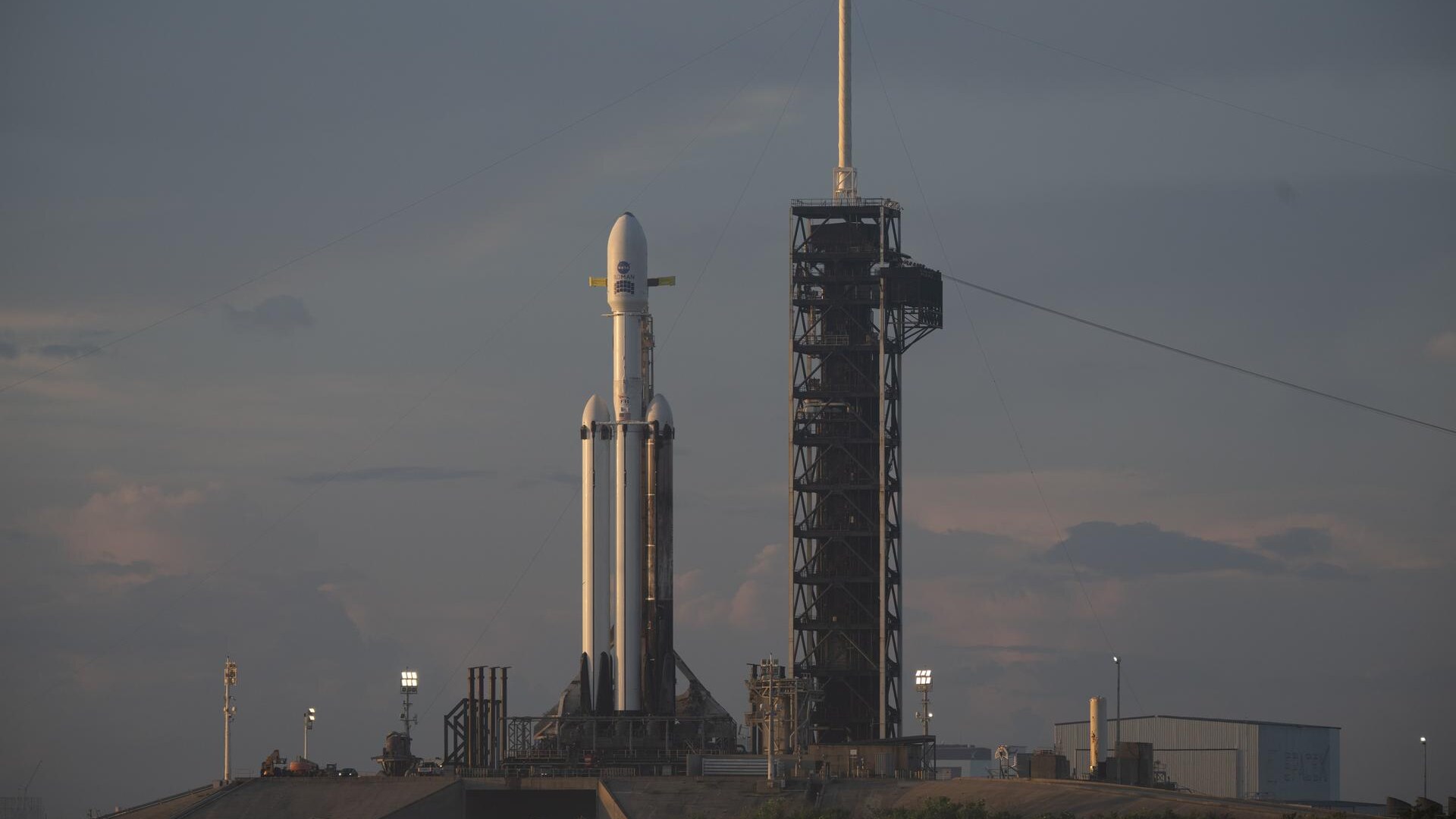
Here's the clock: a SpaceX Falcon Heavy lifted NASA's Nancy Grace Roman Space Telescope from Launch Complex 39A at 7:26 a.m. Eastern on Sunday, 30 August. Three months and about 1.5 million kilometres to a halo orbit around Sun-Earth L2.
Space
V3 Starlinks are sized for Starship’s bay
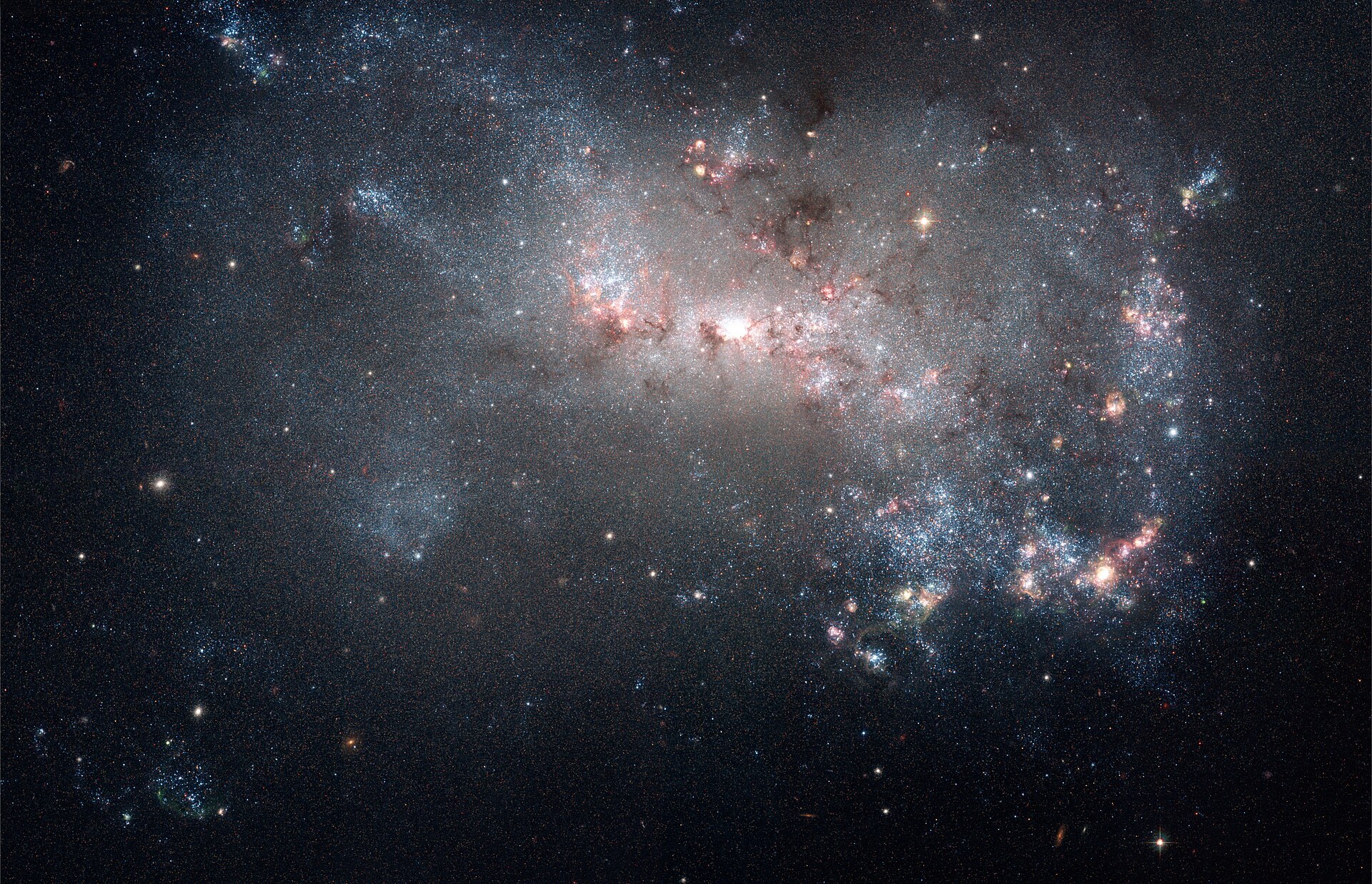
SpaceX’s Q2 2026 results said the next Starship test is meant to put V3 Starlink satellites into an operational orbit. The birds are built for that cargo bay, not a Falcon fairing.
Space
The chopsticks caught Super Heavy in October 2024
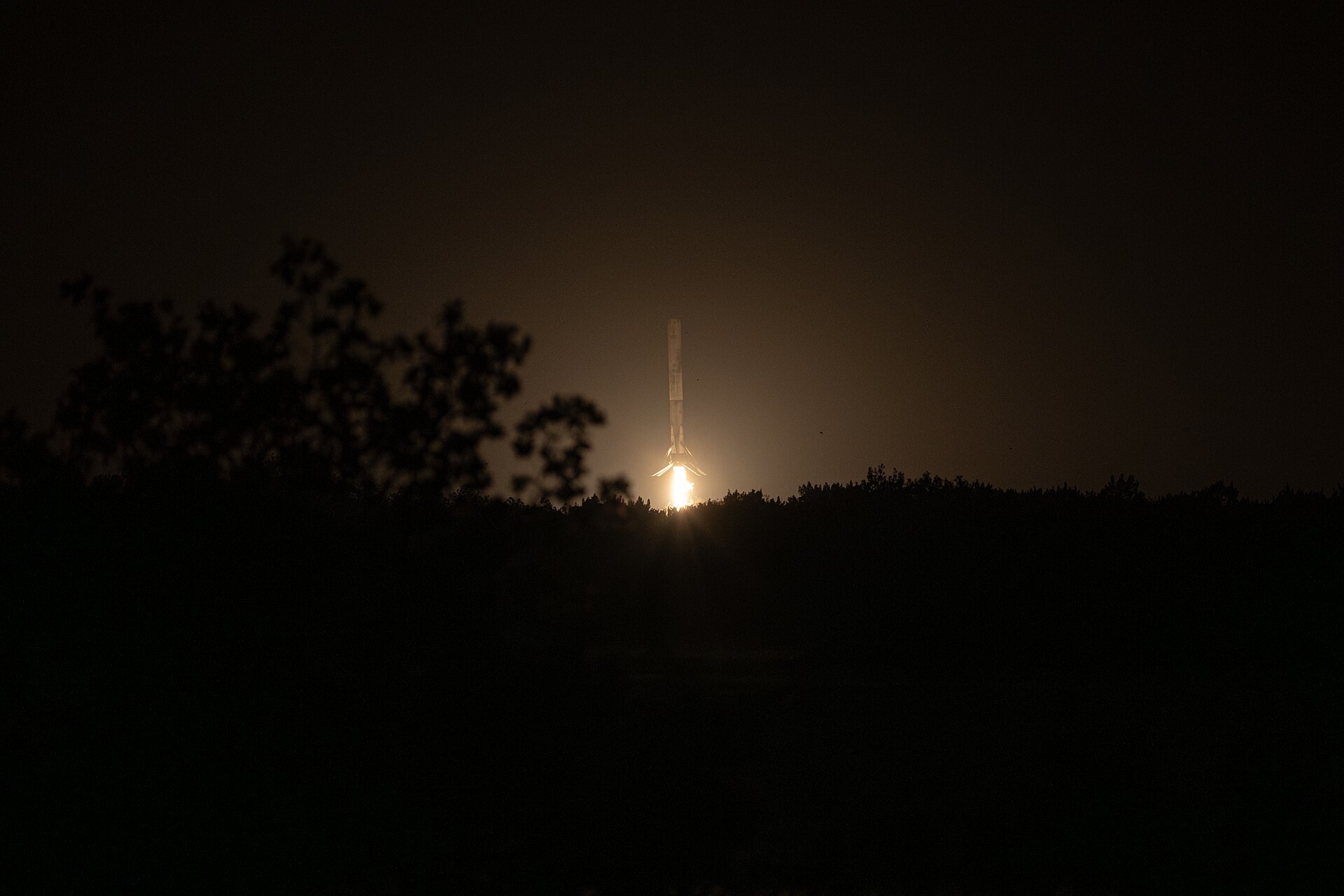
Two mechanical arms at Starbase caught a falling Super Heavy booster in October 2024. The launch mount stopped being a one-shot stand. It became a gate.
Space
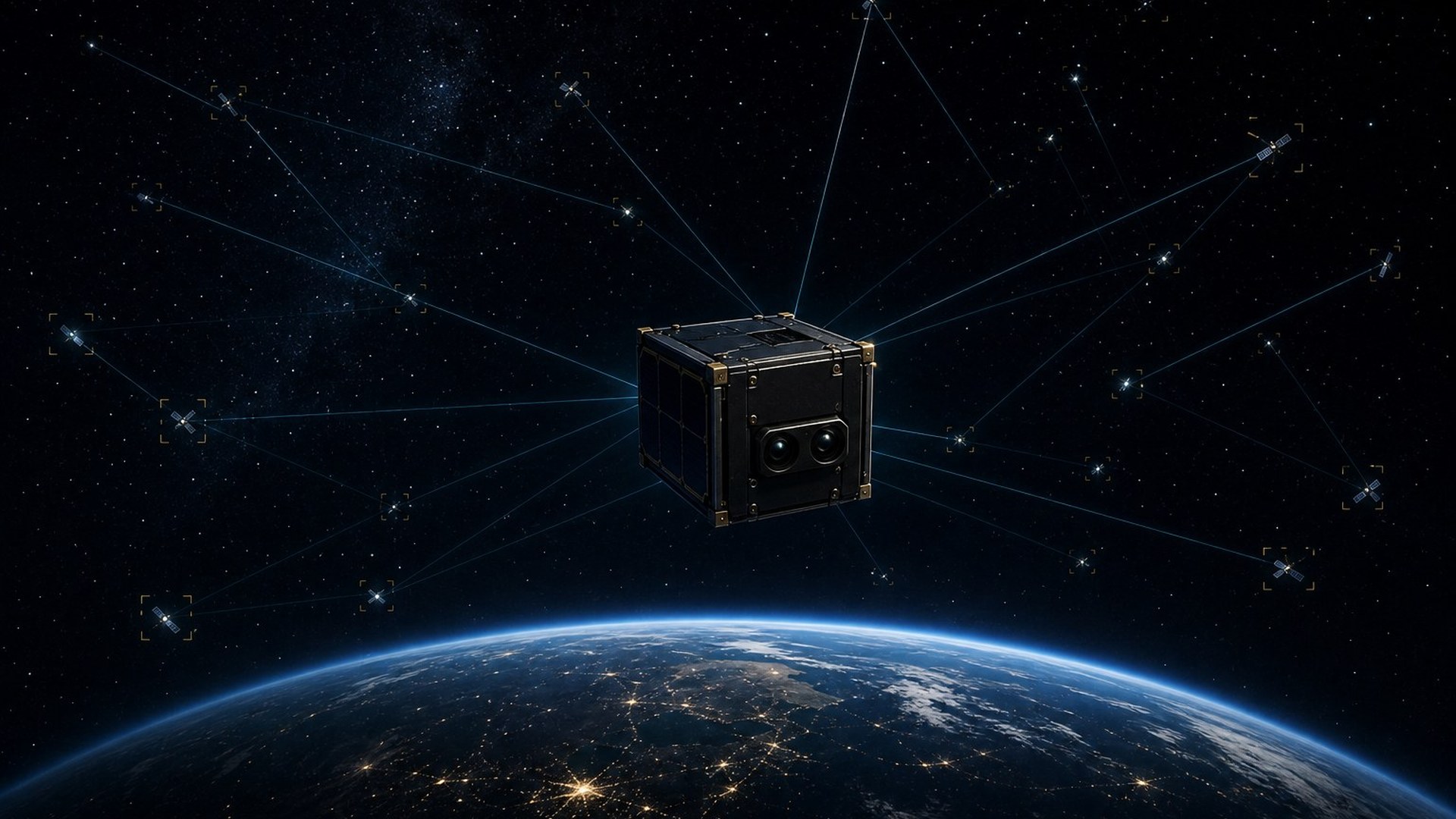
NASA’s Starling swarm finds its orbit without GPS
NASA’s 17 August FALCON demo on the Starling CubeSat swarm matched star-tracker sightings to a ~20,000-object catalog, fixed its own orbit, and refined more than 200 others in three days. EraDrive’s Era-Core flew the software.
Space
Roman is on Falcon Heavy, nine months early
NASA and SpaceX are targeting 7:26 a.m. Eastern Sunday from 39A. The readiness date was May 2027. The fairing already says Roman.
Space
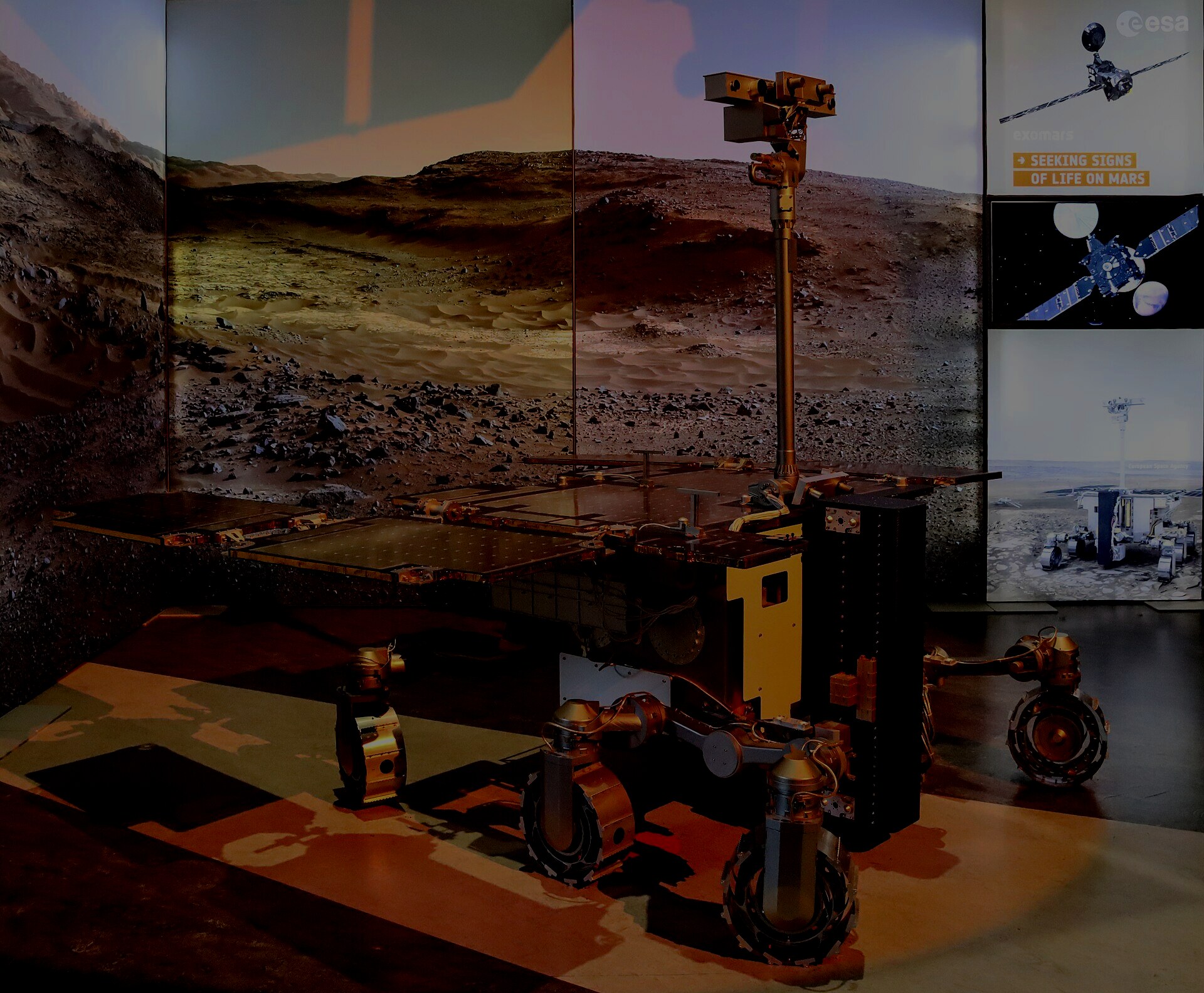
Turin unfolds the legs
ESA posted the Turin test on 6 August: four landing legs, two pairs, less than a second. Rosalind Franklin is starting to look like a landing.
Space
The farthest loop gets its medal
At Johnson on Friday, President Trump presented the Congressional Space Medal of Honor to the Artemis II crew — the first people to fly to the Moon since 1972, and the farthest humans have ever been from home.
Live · Space
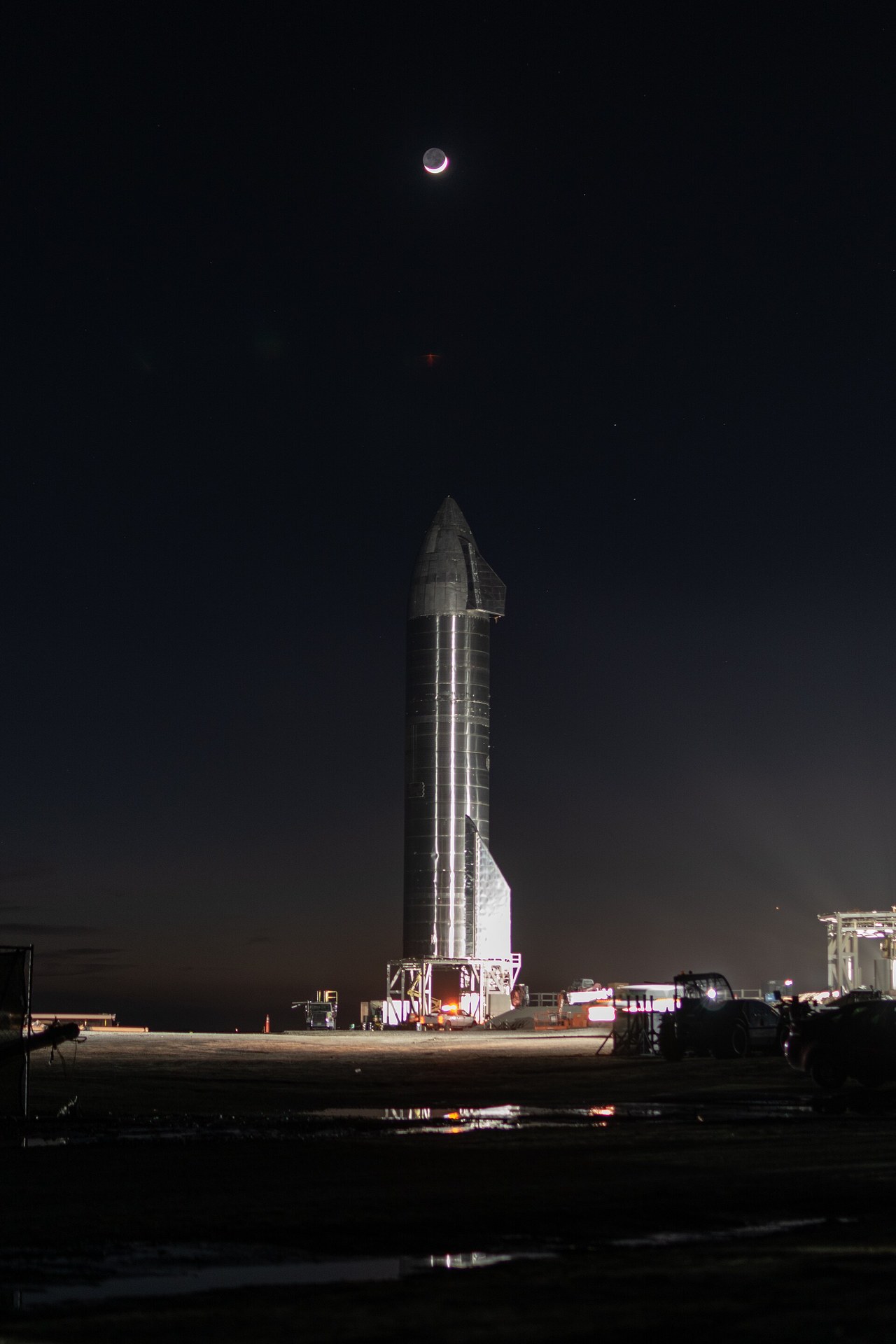
Musk put a ship catch months out, and a reflight by early 2027
SpaceX first caught a Super Heavy booster in October 2024. On 20 August, Elon Musk said a ship that came down at sea would have been caught if a tower had been waiting, and that the first ship reflight should arrive by the end of 2026 or early 2027.