
Capcom put the blade back on the living-room table. Onimusha: Way of the Sword opened Friday, 4 September 2026, on PlayStation 5, Xbox Series X|S, Nintendo Switch 2, and PC. It's a sword-first reboot of a series that last had a mainline cart in 2006. Miyamoto Musashi. Parries that matter. Bosses that teach. That's the Friday news for a couch that still knows what a pad is for.
I'm filing this as craft, not as a scoreboard you invent on a napkin. Gaming.net's Evans Karanja, dated 4 September, called the reboot pristine and damn satisfying, and put a 9 on the page for the commitment to swordplay. Polygon's review roundup put Metacritic in the mid-80s in the same window and said Capcom still had a hit on its hands. Game Informer's Wesley LeBlanc, filing 31 August, said the combat puts the fun back on its feet even when older design habits try to slow Musashi down. Those are other outlets. The living-room question is simpler: does the blade feel like a blade when the kettle's on?
Here's the peg again, slower. Capcom developed and published. Director Satoru Nihei. RE Engine. Launch materials, updated through the week, date the street 4 September 2026 across Switch 2, PS5, Windows, and Xbox Series X|S. Capcom moved the date up from 25 September so the cart could land sooner; Gematsu carried that shift on 1 July. The Switch 2 SKU arrived in the June Nintendo Direct. Four machines, one Friday. Not a remaster week. A new fight.
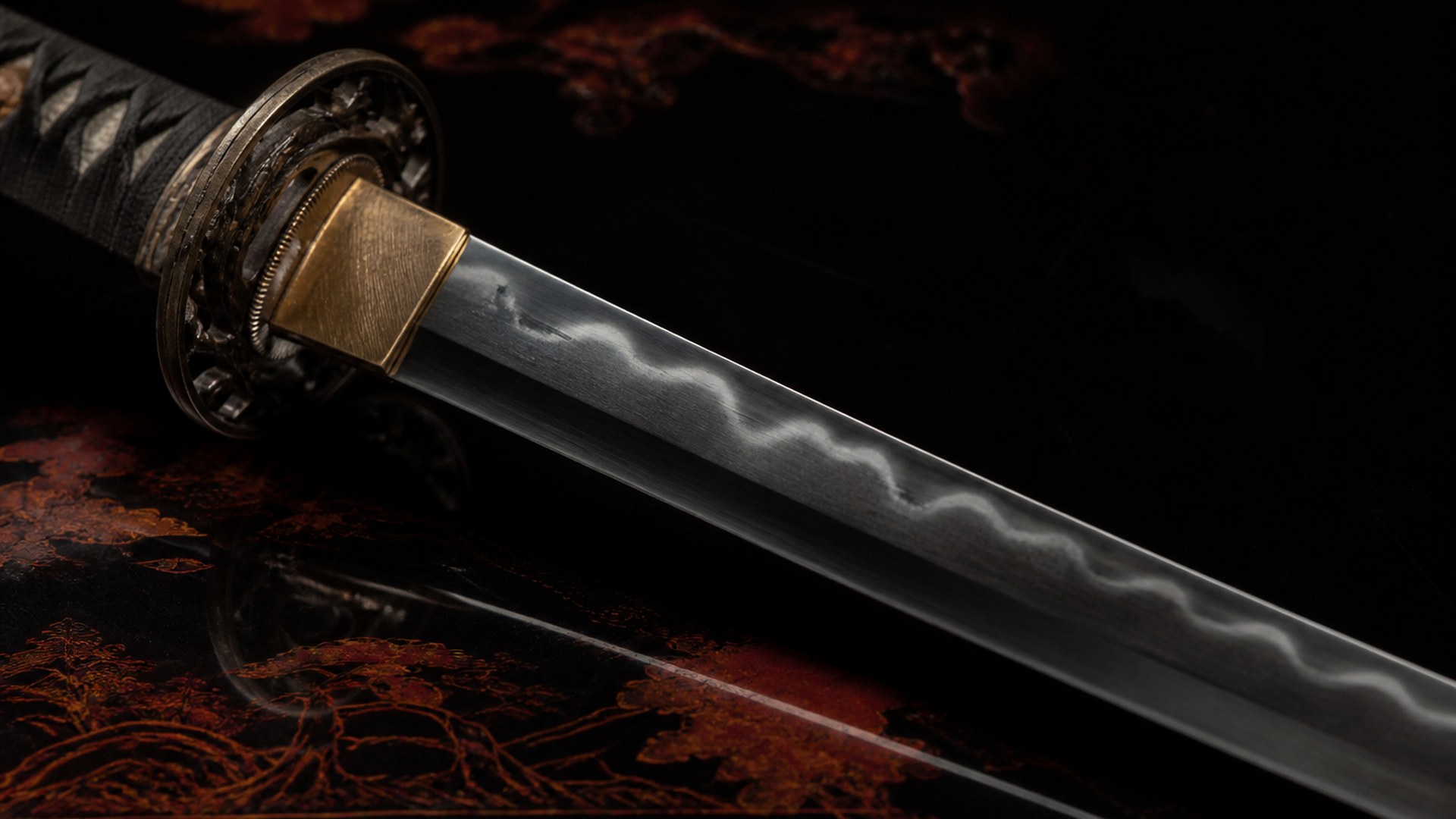
The reboot is deliberate about what it is not. Nihei told the press the game is not a Soulslike. The brief, as Polygon and GameSpot both printed during the preview year, was to modernise the series and express the clashing of blades through the action. Real swordsmen came into the motion-capture stage. You watch an attack, you decide when to strike. That is the grammar Capcom wanted on the pad. Gaming.net's review leans into the same point: if a game is going to focus on swordsmanship, it needs to commit. Way of the Sword commits.
Musashi is the body you steer. Capcom modelled him after Toshiro Mifune and spent roughly two years negotiating with Mifune Productions for the likeness, GamesRadar reported in 2025. He's brash. He's good. He learns, slowly, that the best sword in the room still needs the people standing next to it. Gaming.net liked the companion writing and the rivals. Game Informer lit up for Dokyo's taunts, for Izumo no Okuni's steadfastness, and for Sasaki Ganryu's flamboyant returns. Characters carry a plot that stays inside the series' demons-are-bad frame. Fair. The craft is in the duel, not in a twist you invent for a lede.
Combat is the juice. Light and heavy. Stagger meters. Dodges for the hits you cannot parry. Deflects that interrupt and drain stamina. Perfect parries open a blazing state and Break Issen, the finisher Gaming.net and Capcom's own materials both name. The published kit matches that inventory: prolonged parries that steer an enemy, a guard stance, yellow/red/blue souls in the Oni Gauntlet, Oni Vision to mark demons in a zone. Bosses do not die to a cheap Break Issen the way fodder does; you choose big damage or more souls. That is a system with verbs you can say out loud in a living room without opening a wiki mid-fight.
RPG Site's Hayes Madsen, 31 August, put the bosses in rare company and called the game a new action masterpiece even while nodding at side-activity fluff. Kotaku's Jackson Tyler, same embargo window, loved the boss fights and disliked how often mob scrapes and open-world padding dilute a rigid parry game. Windows Central's Jez Corden, 1 September, called the characterisation and RE Engine faces industry-leading and still said the open world labours. Those three sentences can sit on the same shelf. Capcom sharpened the blade. Capcom also brought modern open-zone habits that not every reviewer wanted. Positive where fair: the sword fights are the reason you keep the pad warm.
About twenty hours is the campaign length Capcom floated in the preview cycle; Push Square carried that figure. Kyoto in an Edo-period dark fantasy is the hub. Temples, winding streets, rifts to seal, side quests that are not always the meal. Main path is where the bosses live. Gaming.net said the hub is for breath and chests; the story quests are for the sweat. That matches how a Friday night actually runs: you clear a rift, you die to a named rival, you make tea, you try again.
Polygon's roundup, reading the Metacritic board in the launch window, put Way of the Sword around 86 and stacked it against Capcom's other 2026 scores — a point or three off Resident Evil Requiem, on pace with the year's other hits. I'm not minting a house number. I'm saying the critical weather is warm on the combat and cooler on the bloat, and that weather is documented. Gaming.net's 9 is one outlet's verdict. Game Informer called it the most satisfying Onimusha. Keep those attributions on the wire.
Platform talk for the couch. Capcom's technical sheet, relayed through Nintendo Life and others in June, targeted Switch 2 at upscaled 1080p docked and about 900p handheld at 30 frames a second, with an optional variable 30–40 mode. PS5 and Series X get higher targets and a 60-frame performance path in Capcom's product notes. PC gets the usual upscalers. Metric for the room: thirty frames a second is thirty frames a second; sixty is smoother on a big panel. Pick the machine that matches how you sit. The blade is the same blade.
What this reboot kept is the series' soul-sucking gauntlet and the Genma problem. What it changed is the tempo. Older Onimusha carts borrowed from Resident Evil corridors and, later, from wilder action. Way of the Sword asks you to read a swing. That is closer to a duel than to a carnival. When the camera leans in on a perfect parry — Gaming.net called out that zoom — you feel why Capcom invited real swords into the capture stage. The living-room report is simple: the pad tells the truth about timing.
I'm not ignoring the complaints. Side content repeats. Enemy variety thins in places. Open zones stretch a design that sings hardest in a boss arena. Kotaku said the special core might only be a slice of a long clock depending on how often you die or how many icons you chase. Fair filing. The counter-filing is RPG Site and Gaming.net and Game Informer all saying the fights are worth the stubborn bits. Capcom's 2026 streak did not end on this cart. It bent, and the blade still cut.
For a first-time listener: Friday 4 September 2026. Capcom. Musashi with Mifune's face under licence. Sword-first action on four platforms. Cite Gaming.net's launch review for the commitment score. Cite Polygon's roundup for the critical weather. Cite Game Informer for the sweaty-palm combat. Platforms and the Nihei brief — this is not a Soulslike — come from Capcom's launch materials and the preview-year press. No invented house percentage here. The news is that the series kept the blade, and the blade is the point.
Sunday morning, 6 September, the cart is two days into living rooms. That is enough distance to say the reboot works where it promised — in the clash — and softens where modern open-world habits padded the walk between clashes. If you only have one evening, spend it on a named duel, not on every rift marker. If you have a week, learn the stagger language until Break Issen feels like punctuation. Either way, Capcom shipped a sword game that respects the sword. That is the living-room news. Games tab. Keep the pad charged.
One more pass for the ear. Onimusha slept twenty years between Dawn of Dreams and this reboot. Capcom greenlit work around 2020 once RE Engine could carry the ambition. The Game Awards 2024 reveal. A date pulled forward into early September so the cart would not wait on the 25th. Four platforms on day one, including Switch 2. A protagonist history already knew. A combat loop reviewers keep praising even when they scold the map. Positive where fair. Sourced where claimed. The blade stayed on. That is the piece.
The paper
Comments
No notes on this story yet.
Sign in to comment