The common home got a theology document on Wednesday, and the Church put it out like news. On 2 September 2026 the International Theological Commission published Caring for Our Common Home — A Responsible and Fraternal Response to the Triune God, with the authorisation of Pope Leo XIV. Vatican News carried Isabella Piro's English summary the same day. Reflections from 2022 to 2025. A Season of Creation release. Named commission, named title, named date.
The question at the heart, as Vatican News puts it: how can humanity answer, from a Christian perspective, an ecological and social crisis the text calls short-sighted and suicidal? The commission's answer is not a press release about recycling. It's a claim that the ecological question is a theological question — that the way we care for creation reveals and shapes our relationship with God. Listen to the cry of the Earth and the cry of the poor. Everything is connected. Nothing and no one is a monad.
Three chapters, named cleanly in the Vatican News summary. First: The Common Home, Work of the Triune God — the imprint of the Trinity on creation, read with Augustine, Hildegard, Bonaventure, and Thomas Aquinas. Sacramentality that finds its highest elevation in the Eucharist. Interrelationship: filial gratuitousness toward God, solidarity and mercy toward neighbour, care for the common home. Faith says why the universe exists; cosmology investigates how. God gives a metaphysical origin and freely calls into being what would not exist of itself.
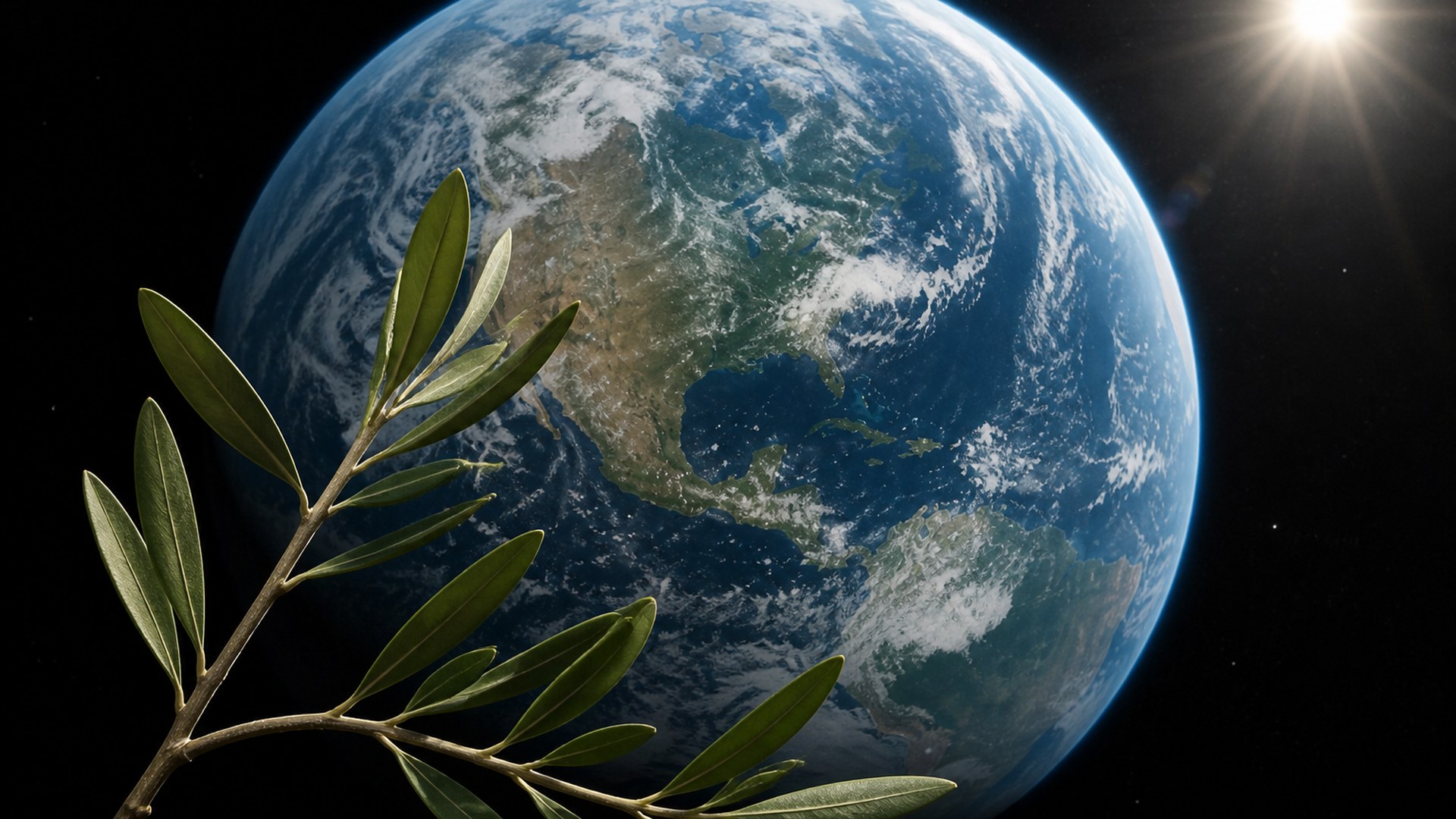
Second: The human being in the Common Home. Image and likeness without hierarchical gradations that excuse discrimination. The Sabbath principle — rest for the Earth and thanksgiving for humanity, a disinterested gaze freed from the appetite to possess, dominate, or attack. Then the alarming data the commission refuses to soft-pedal: loss of biological diversity as a food-security fact, air pollution, water quality, war's acceleration of environmental destruction, and the heaviest burden on the poorest. The appeal is for more than technical fixes. Production, consumption, transport, and energy must change — and so must cultural values. Ecological conversion is the word.
Sin against creation and against the Creator. That is the formulation the ITC wants in public, rather than stopping at "ecocide" or leaving "ecological sin" too thin to carry the theological weight. Damage to the common home is linked to rejection of God's plan that entrusted stewardship to human beings. OSV News quotes the commission favouring language that holds both the harm to nature and the failure to recognise the Creator's plan. Urgent action for sustainability is not only ethical. It is theological. Public authorities are addressed without letting the rest of us off the hook.
Two extremes rejected. Predatory anthropocentrism that treats humanity as absolute master of creation. Biocentrism or ecocentrism that absolutises nature. The Christian proposal, drawing an expression of Francis that Leo XIV has taken up, is situated anthropocentrism: human beings as stewards and servants of creation, caring for the common home according to the mind and legitimate interests of the owner, who is God, and cooperating with the divine plan through generous service. The Eucharist becomes an ecological school — a place where a positive, proactive attitude toward nature is learned, away from pure utility and away from fearful defence.
Third chapter: Care for the Common Home, organised around five relationships. With God: Jubilee logic — fraternity and solidarity that set a limit to greed in the use of the Earth, gratuitousness and humility that refuse to seize everything, opening onto social justice. With oneself: an ecological spirituality against a technocratic rush, looking to Benedictine ora et labora, including the moral weight of every act of purchasing. With creation: reverence, sustainability, listening to the Earth's cry bound to the cry of the poor, respect for life, asceticism and fasting as a response to overexploitation especially in wealthy countries, differentiated responsibility among nations.
With neighbour: the sacredness of human life and the rejection of war; the universal destination of goods — private property is not an absolute right in the Christian tradition, and the common home is held also for future generations; fraternity against false individualism; mercy; the preferential option for the poor who suffer environmental harm first. With other religions: doors open to cooperation — Judaism, Islam, Hinduism, Buddhism, Confucianism, African religions, Indigenous religions of the Americas and Oceania — wherever interconnectedness, respect for living beings, and human responsibility are shared.
Publication path, for the record. OSV News and Infovaticana note the text was approved by a majority of the commission in a July vote, presented to Leo XIV, and authorised for release by Cardinal Víctor Manuel Fernández, prefect of the Dicastery for the Doctrine of the Faith. Full text available from the Vatican in Italian at first; English readers lean on Vatican News' summary and the wire paraphrases. More than 29,000 words on the OSV count. Released during the Season of Creation, which runs from the World Day of Prayer for the Care of Creation on 1 September toward the feast of St Francis on 4 October.
A commission published a document. A Pope authorised it. The title names the common home and the Triune God in one breath. The sin language got more precise. The Eucharist was called a school for ecological conversion. Situated anthropocentrism was put back on the table against both mastery and nature-worship. Interreligious cooperation was invited without dissolving Christian confession. You can read that on a Sunday without needing a specialist guild. The parish already knows the Season of Creation. Now it has a thicker theological shelf for the same weeks.
Published: 2 September 2026. Authorising Pope: Leo XIV. Body: International Theological Commission. Title: Caring for Our Common Home – A Responsible and Fraternal Response to the Triune God. Work period: 2022–2025. Primary English summary: Vatican News, 2 September 2026, 12:00 stamp. Key terms: sin against creation and the Creator; situated anthropocentrism; Eucharist as ecological school; cry of the Earth and of the poor.
NKJV: "Then God saw everything that He had made, and indeed it was very good." (Genesis 1:31)
Hope closes the document, Vatican News says: however serious the environmental crisis, it does not undermine trust in God, who makes all things new. St Francis remains the named pattern for a cultural and spiritual turning point. Freedom and moral responsibility stay the foundation. So it's simple enough to say aloud after Mass. The common home got a theology. Leo authorised it. The ITC published it on 2 September. Care for creation is how we speak about God with our hands in the soil. That's the news. That's the Gospel. Read the summary. Keep the Season. Listen for both cries — Earth and poor — and answer as stewards, not as owners who forgot the Owner.
The paper
Comments
No notes on this story yet.
Sign in to comment