
SpaceX is set to loft Starlink Group 15-24 on a Falcon 9 from Space Launch Complex 4E at Vandenberg Space Force Base, California — the company’s 80th Starlink mission of 2026, according to Spaceflight Now’s 5 September coverage.
The Sunday morning window has shifted in public countdowns; Spaceflight Now’s latest update pointed to liftoff at 7:26 a.m. PDT (14:26 UTC) on 6 September 2026, on a southeasterly track with a droneship landing in the Pacific.
Eighty Starlink missions in a single calendar year is the kind of cadence that used to sound like a typo. It isn’t. If you’re counting West Coast broadband stacks, this flight is another brick in a wall SpaceX has been laying all year — and it’s the third Starlink mission since the company said Florida Falcon 9 pads would stop flying Starlink, with those Florida Starlink slots pointed toward Starship instead.
The booster on the pad for this one is B1088, flying for a nineteenth time in countdowns tracked by Spaceflight Now and launch databases. Prior work for that core includes three national security missions, Transporter-12, NASA’s SPHEREx astronomy mission, and thirteen batches of Starlink satellites. Reuse at that flight count is routine for Falcon 9 now, which is exactly why the cadence story holds: the first stage isn’t a museum piece between flights.
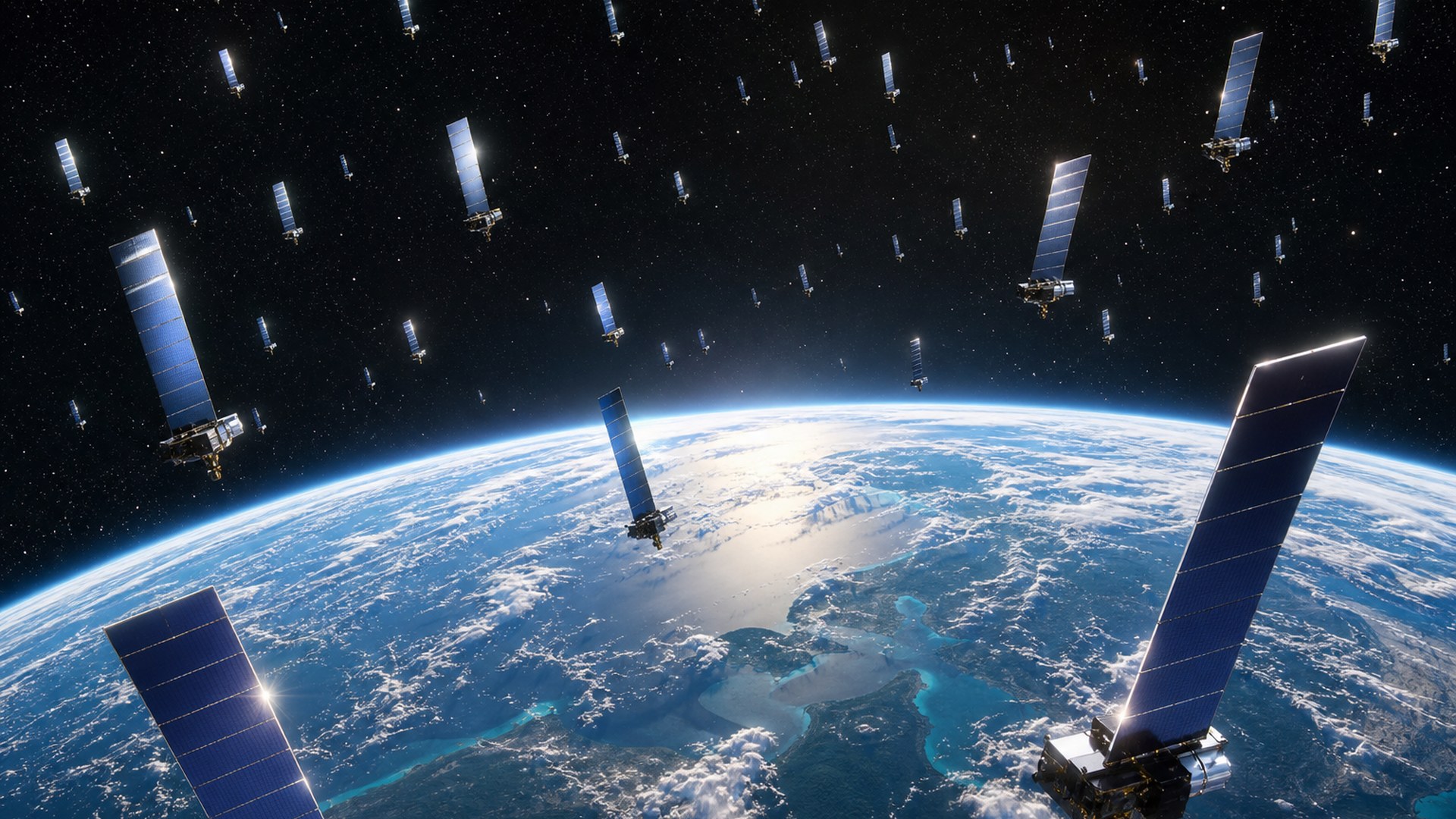
Payload count for a typical Starlink batch of this class sits around 27 satellites. Group 15-24 is described in public listings as another set of second-generation Starlink spacecraft headed for low Earth orbit. You don’t need the serial numbers to understand the point. More birds, denser coverage, more capacity for the network customers already using — and another data point that Falcon 9 remains the workhorse while Starship works through its own flight-test ladder.
Trajectory matters for neighbours and for the range. From SLC-4E, the rocket heads southeast over water. About eight and a half minutes after liftoff, B1088 is expected to aim for the droneship Of Course I Still Love You in the Pacific. Spaceflight Now noted that a successful recovery would mark the 223rd landing on that vessel and the 659th Falcon booster landing to date. Soft catch or no, the mission’s primary job is still getting the stack to orbit on time.
Why move Starlink off Florida Falcon 9 pads? SpaceX launch leadership has been clear in public remarks. Kiko Dontchev, Vice President for Launch, said that from here on, Starlink missions out of Florida will fly on Starship. That frees Florida Falcon capacity for other customers and national security work while the West Coast keeps feeding the constellation on the proven nine-engine vehicle. Three Starlink flights into that new split is still early. The policy shift is already visible on the manifest.
Look at the weekend calendar around this flight and you see the broader tempo. SpaceX’s public launches page has also listed USSF-153 from Vandenberg around 10 September — another Falcon 9 out of SLC-4E with a droneship recovery in the window, with a listed time band in the late morning to early afternoon Eastern on that date. Starlink on Sunday, a Space Force mission days later from the same complex: that’s how a West Coast pad earns its keep when Florida’s Starlink flow is being redirected.
I’m writing this as a go-for-launch weekend flight based on the countdowns available as of early 6 September. Earlier listings had floated windows near 4:13 a.m. PDT / 11:13 UTC; Spaceflight Now’s 5 September evening update moved the target to 7:26 a.m. PDT / 14:26 UTC. Windows move. Scrubs happen. If you’re reading after the fact, check whether B1088 stuck the landing and whether the roughly 27-satellite stack confirmed deployment. Until then, the accurate status is scheduled: 80th Starlink mission of the year, Vandenberg, Falcon 9, droneship recovery planned.
Eighty Starlink missions by early September means SpaceX has been averaging multiple broadband launches a week when you smooth the year. Booster B1088 on flight nineteen means the hardware side of that average is paid for by reuse, not by burning a new core every time. Shifting Florida Starlink toward Starship means the company is already rearranging pad roles before Starship has absorbed the full Florida broadband load. That’s real motion. It isn’t finished work.
For California coastal watchers, an early-morning Falcon from Vandenberg on a southeasterly path is a familiar light show when skies cooperate. For network engineers, it’s inventory headed for an orbital shell that already carries commercial traffic. For competitors trying to match LEO broadband densification, it’s a reminder that the bottleneck isn’t inspiration — it’s how many times a week you can light a booster, land it, and turn it around.
Spaceflight Now planned live coverage beginning about half an hour before liftoff. SpaceX’s own launches listing showed the Starlink mission window on 6 September from SLC-4E with a droneship return, and USSF-153 lined up days later from the same base. Background context from the same week included Starship ground-test progress in Texas — static fires on ship and booster hardware ahead of a future Flight 14 — but that doesn’t change what Falcon 9 is doing Sunday morning at Vandenberg. Separate programmes, same company calendar.
The Labor Day weekend timing is logistics, not symbolism. Ranges open when they open. Crews work when the weather and the Air Force range say go. An 80th Starlink mission of 2026 on a holiday weekend is what a high-tempo launch enterprise looks like when the product is broadband capacity and the factory for satellites doesn’t pause for federal Mondays.
Vandenberg’s coastal geography is why high-inclination Starlink planes keep coming from SLC-4E: southbound corridors over water, polar and near-polar access, and a droneship already practised at catching West Coast boosters. Florida’s Atlantic pads excel at other azimuths. Splitting Starlink toward Starship in Florida and Falcon 9 in California is an orbital-mechanics and pad-capacity decision as much as a vehicle roadmap decision.
If B1088 sticks the nineteenth landing attempt on this flight, the reuse ledger grows again. If the satellites deploy cleanly, the constellation’s 2026 buildout notches mission eighty. Either outcome still leaves USSF-153 on the near-term Vandenberg calendar — proof the same pad complex is dual-hatting broadband and national security traffic in the same week.
So where does that leave you on a Sunday in early September? Watching an 80th Starlink mission of 2026 queue on the West Coast, on a well-flown booster, under a policy that already started moving Florida Starlink toward a different vehicle. If it flies clean, the constellation grows by another typical batch and the landing tally ticks up. If it slips, the same hardware comes back around on the next open range day. Either way, the year’s Starlink count is already the story — and this flight was queued to push it to eighty.
The paper
Comments
No notes on this story yet.
Sign in to comment