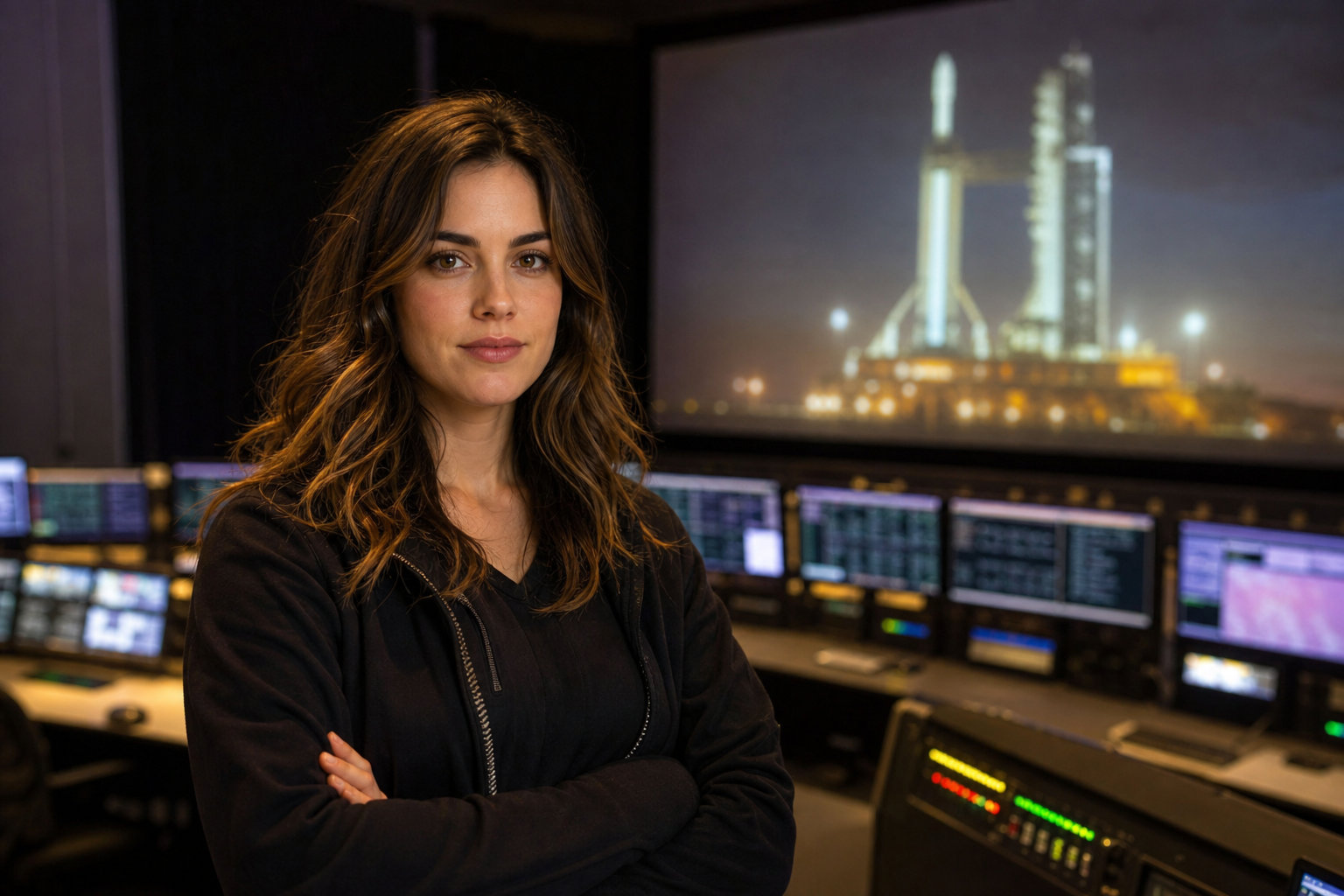
Elon Musk said on SpaceX’s recent earnings discussion that Nvidia’s Vera Rubin architecture is “the best AI computer,” and that SpaceX will build exclusively on Nvidia going forward.
That stated intention — an understanding on supply, not a separately disclosed exclusive contract — landed alongside fresh numbers on how fast SpaceX has been stacking compute and how much capital it plans to keep pouring in.
You’ve seen AI capex stories blur into abstraction. These figures don’t. SpaceX ended June 2026 with 1.4 gigawatts of installed compute capacity. That was up from 1.0 GW in March and 0.4 GW a year earlier. Musk’s target for year-end 2026 sits above 2 GW. Looking into 2027, he framed the ambition as closer to 10 GW than to 5 GW. Whether every watt arrives on that calendar is a supply and power-plant question. The direction of travel isn’t subtle.
CFO Bret Johnsen told analysts the next two quarters should look “very similar” to the second quarter on capital spending. Coverage of the call translated that into roughly US$37 billion more capex through the back half of the year if the pattern holds. In Q2 alone, reporting put SpaceX capital expenditures around US$18.4 billion, with about US$15.8 billion — roughly 86 cents of every capital dollar — going to AI computing infrastructure. That’s not a side project. That’s the main construction line.
Why Nvidia, and why Vera Rubin specifically? Musk’s phrasing on the call was direct: going forward, SpaceX had decided to build exclusively on Nvidia because it thinks the Vera Rubin architecture is the best architecture, values the partnership on many levels, and is exclusive to Nvidia. Separate coverage noted praise for the NVL72-class rack design — including comments on a cable-light tray layout — versus a more conventional rack style. You don’t need a silicon roadmap tattoo to hear the buying signal. One customer with multi-gigawatt ambitions just named a preferred stack out loud.
Markets heard it. Nvidia shares closed about 3.4 percent higher the day after the call. AMD fell about 7 percent the same afternoon on its own results; analysts cautioned that Musk’s comment wasn’t the sole driver of AMD’s move, but it didn’t help the competitive narrative either. Nvidia, for its part, held roughly US$21 billion in SpaceX shares at the end of June — supplier and shareholder in the same chair. That alignment can calm some extraction worries. It doesn’t erase single-vendor concentration risk, and Motley Fool-style coverage was explicit that the exclusivity is a stated intention and understanding, not a filed exclusive contract you’re meant to treat as ironclad.
There’s a physical constraint under the rhetoric. Nvidia has flagged supply tightness in recent reporting, and Vera Rubin production shipments were described as beginning in the quarter that started 27 July. SpaceX’s path from 1.4 GW toward more than 2 GW this year, and toward that 5-to-10 GW band next year, depends on how many of those systems actually ship — and on power, cooling, and site readiness keeping pace. Ambition without transformers is just a slide deck.
Johnsen has also pitched the payback story. On the compute side, he said SpaceX has been able to deploy capital with less than a one-year payback under current cloud economics, and the company signed contracts for another US$6.7 billion in cloud service revenue in the early weeks of the third quarter, with that revenue described as beginning to ramp from October. If those contracts convert cleanly, paying up for the architecture Musk prefers is a business choice, not a science project. If cloud demand softens, the same GW targets become a heavier balance-sheet question. Both can be true at once.
What does “exclusively on Nvidia” change if you’re tracking SpaceX? First, every incremental gigawatt from here is intended to land on one vendor’s roadmap. Second, SpaceX becomes one of Nvidia’s most important AI infrastructure customers by sheer scale if the 2027 trajectory even partially lands. Third, competitors selling alternative accelerators now face a public preference from a buyer that was already growing compute faster than most hyperscalers discuss in open forums.
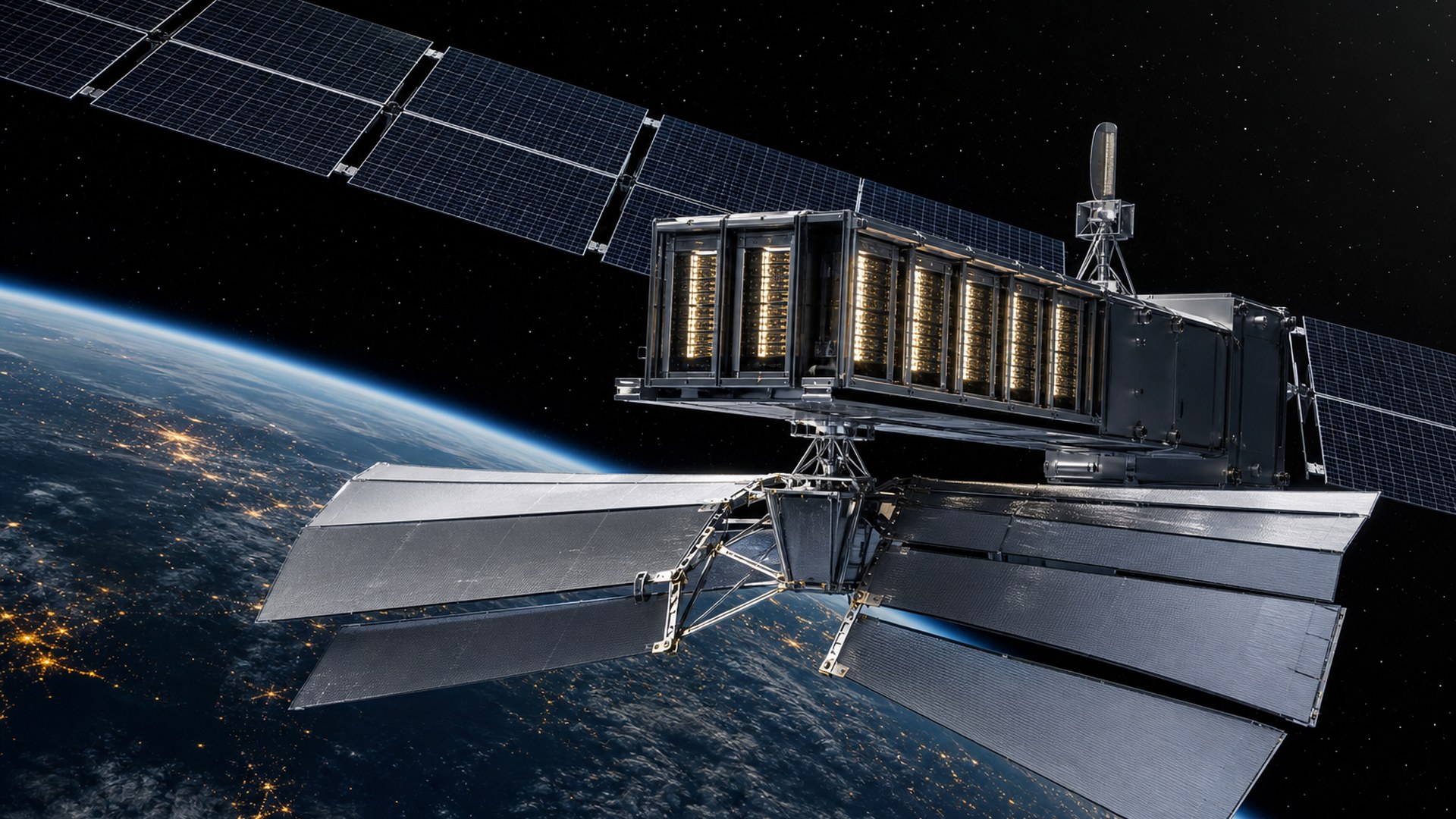
There’s also an orbital subplot in the same remarks. Musk described a Starmind AI satellite concept as essentially an optimized Vera Rubin NVL72-class computer, with launches eyed for next year, and argued the same simplified design could make sense on the ground as well as in orbit. Treat that as stated intention and early programme talk, not as a flight-proven product. Cooling, radiation, and reliability questions for rack-scale AI in space remain open in every serious write-up. The near-term story you can bank is terrestrial gigawatts and the Nvidia pick.
GetAIBrief and earnings-coverage summaries around early September 2026 put the same spine in one place: Vera Rubin named best AI computer, exclusive build path, 1.4 GW installed by June, more than 2 GW targeted by year-end, closer to 10 GW than 5 GW by end of 2027, Johnsen’s “very similar” capex guidance implying about US$37 billion more this year, and Nvidia’s roughly US$21 billion SpaceX stake at mid-year. Those are the numbers. The adjectives can wait.
SpaceX is converting cash into nameplate compute at a measured clip — from 0.4 GW a year ago to 1.4 GW by June — with a clear architecture choice and a CFO willing to preview similar capex intensity for two more quarters. Cloud contracts in the early third quarter add a demand-side counterweight to the spend. That’s execution language. The open risks are supply, power, single-vendor concentration, and whether “exclusive” stays a durable commercial understanding when industry-wide allocation gets ugly.
How should you read the stock-market afternoon that followed? Nvidia’s gain and AMD’s drop on the same day make a tidy chart, but AMD was also reporting its own quarter. Correlation isn’t a signed confession. Still, when the largest private aerospace company on Earth says it’s exclusive to one GPU vendor’s next architecture, investors in the second-place merchant accelerator story take notes. They should. So should anyone modelling SpaceX’s free cash flow through 2027.
Q2’s US$15.8 billion of AI compute spend inside an US$18.4 billion capex total also reframes how you read SpaceX’s identity in 2026. Rockets and Starlink still define the brand. The capital allocation says compute buildout is where the chequebook is working overtime — and Vera Rubin is the architecture that chequebook is now pointed at exclusively, on management’s stated understanding.
You don’t have to cheer a single-vendor future. You do have to track whether Nvidia can ship, whether SpaceX can energise the halls, and whether cloud counterparties keep signing. Those three gates decide if 10 GW by end of 2027 is a forecast or a stretch goal with a nice round number.
For the next two quarters, the numbers that matter are simple enough: 1.4 GW already in, more than 2 GW targeted by year-end, a stated lean toward the high side of a 5–10 GW band by end of 2027, roughly US$37 billion more capex implied if Q3 and Q4 rhyme with Q2, Nvidia as the named exclusive architecture partner on a stated-intention basis, and a US$21 billion Nvidia stake in SpaceX as of June. Watch the gigawatts land.
The paper
Comments
No notes on this story yet.
Sign in to comment